⚡ Lightning Detection
Pull every lightning strike out of a long night-sky video — automatically.
· github.com/symunona/lightning-detection
What it is
A small Python tool that reads an .mp4 of a storm, scans it frame
by frame, and spits out the exact moments a bolt fired. No machine learning,
no cloud — a laptop and OpenCV.
Adapted from the original idea by lukse.lt. MIT licensed.
The gallery — extracted strikes
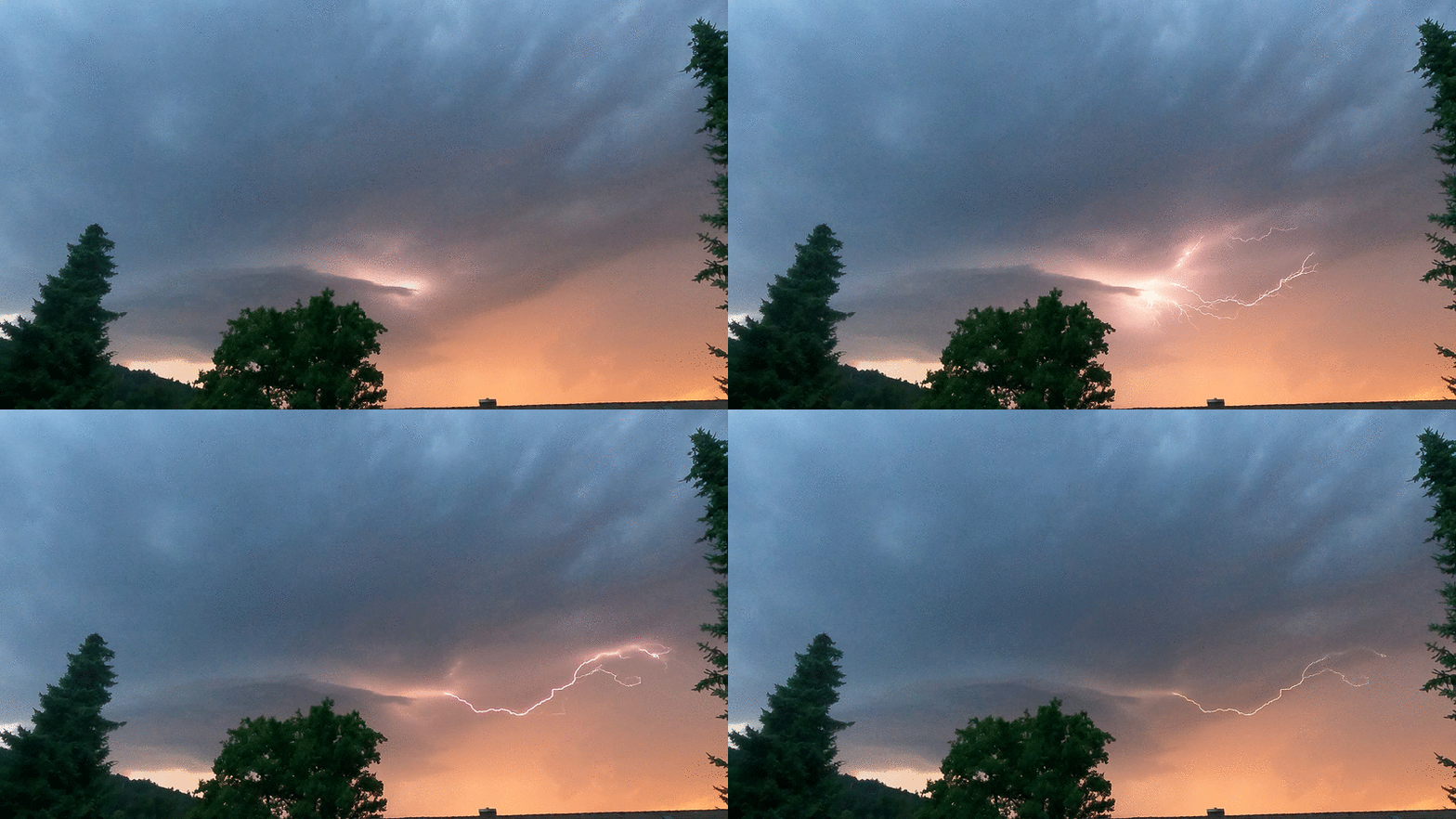
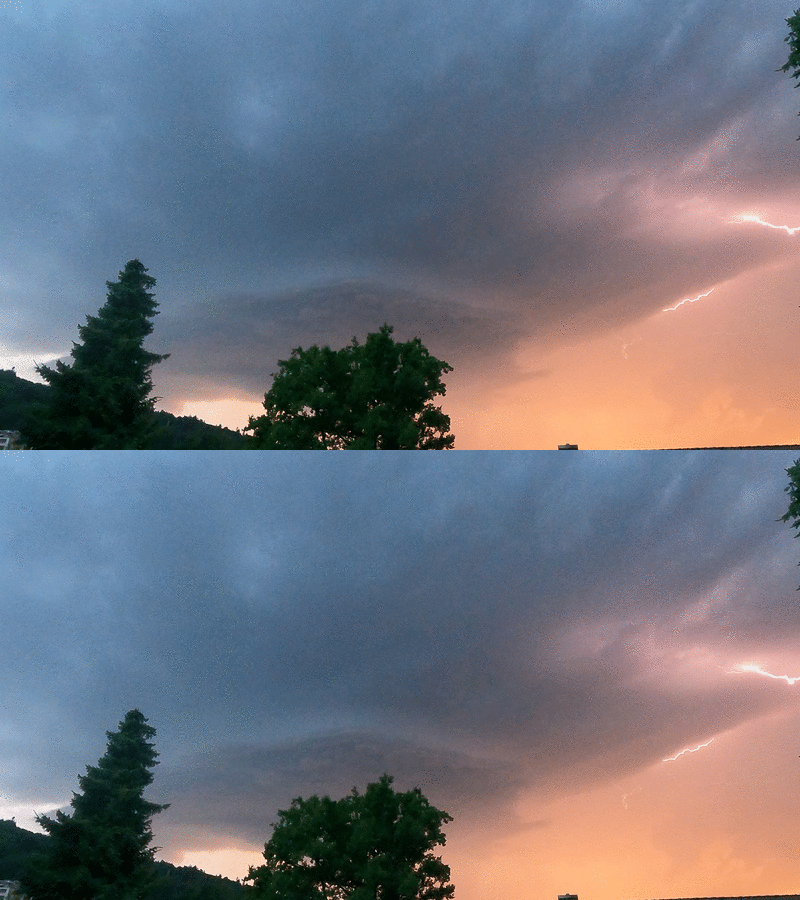
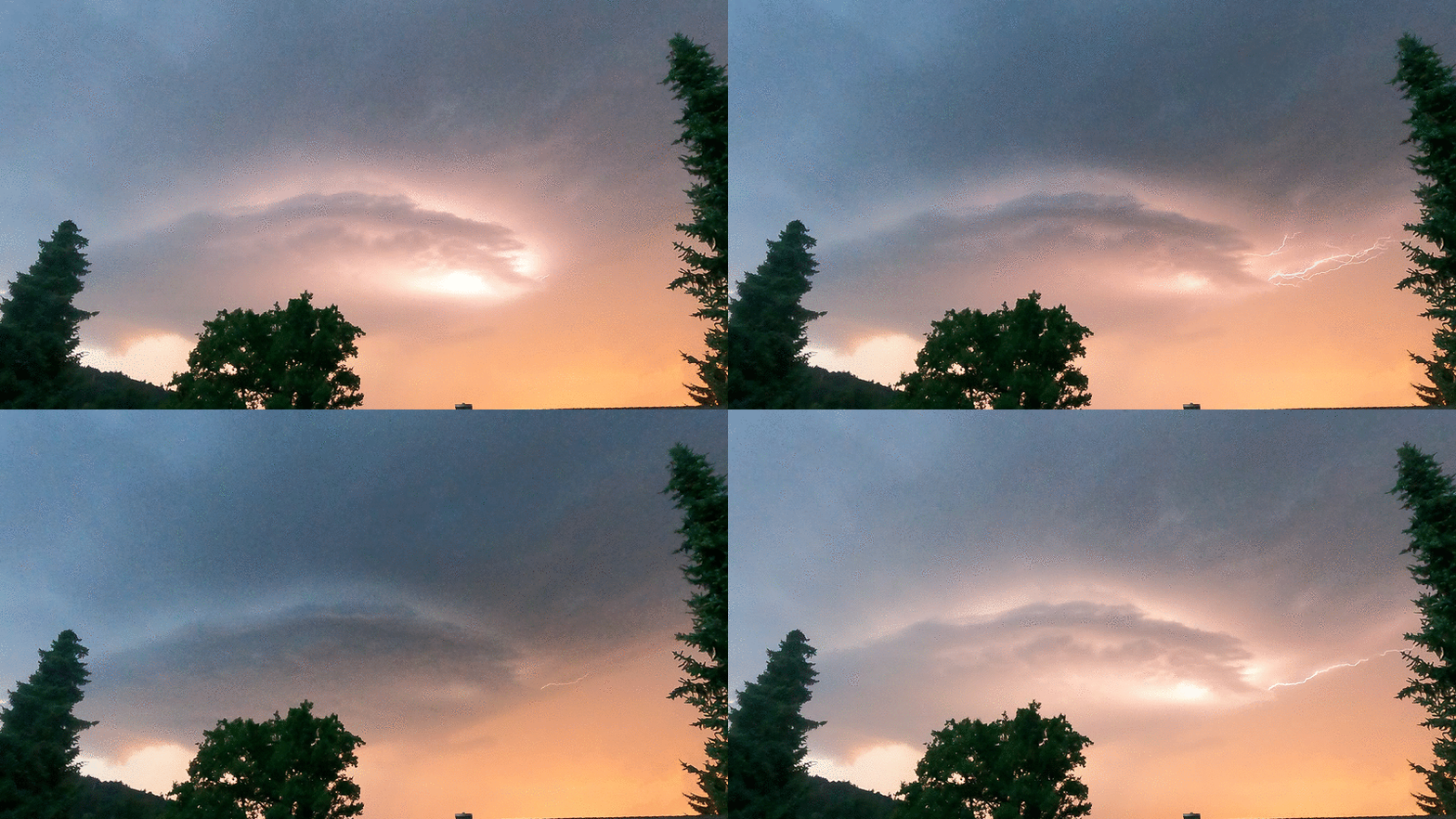
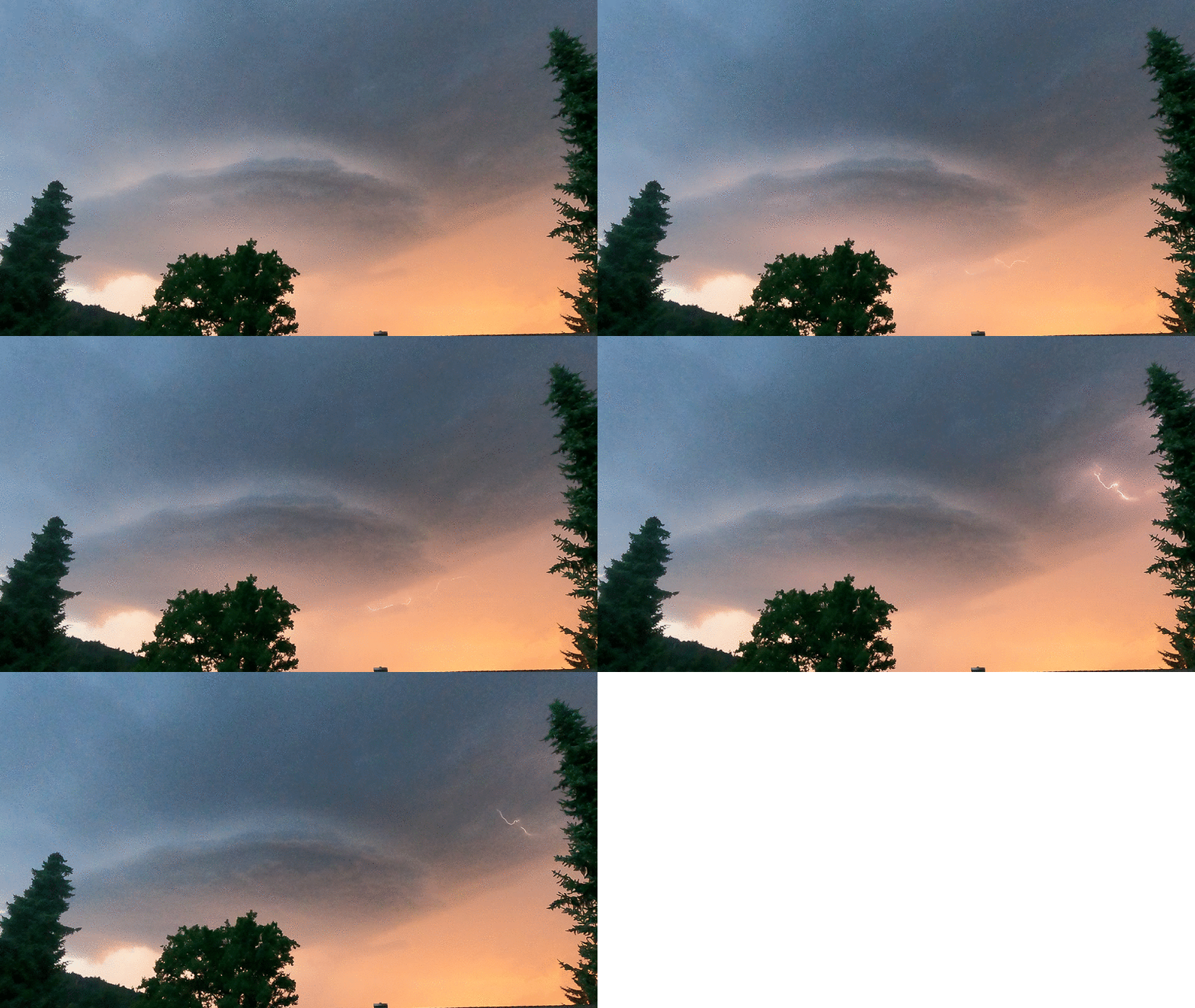
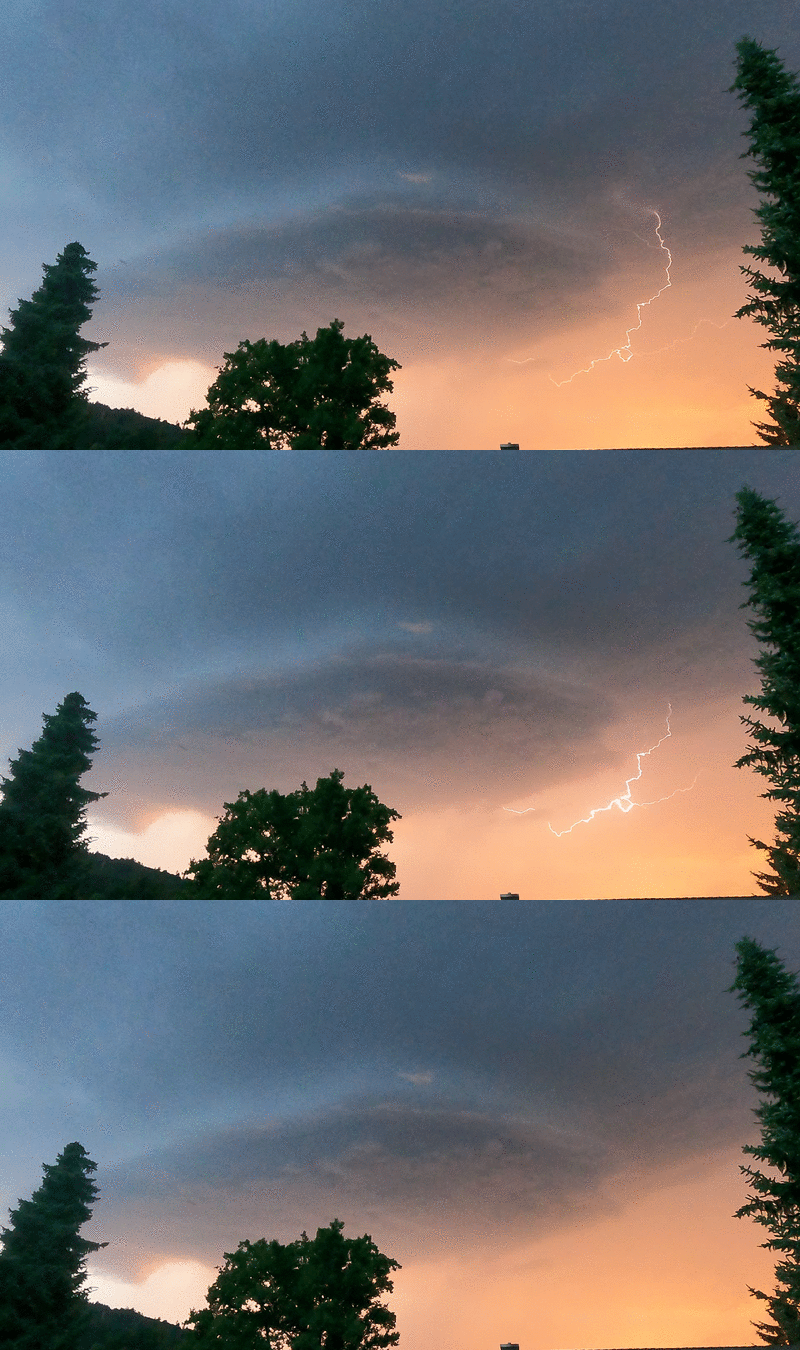
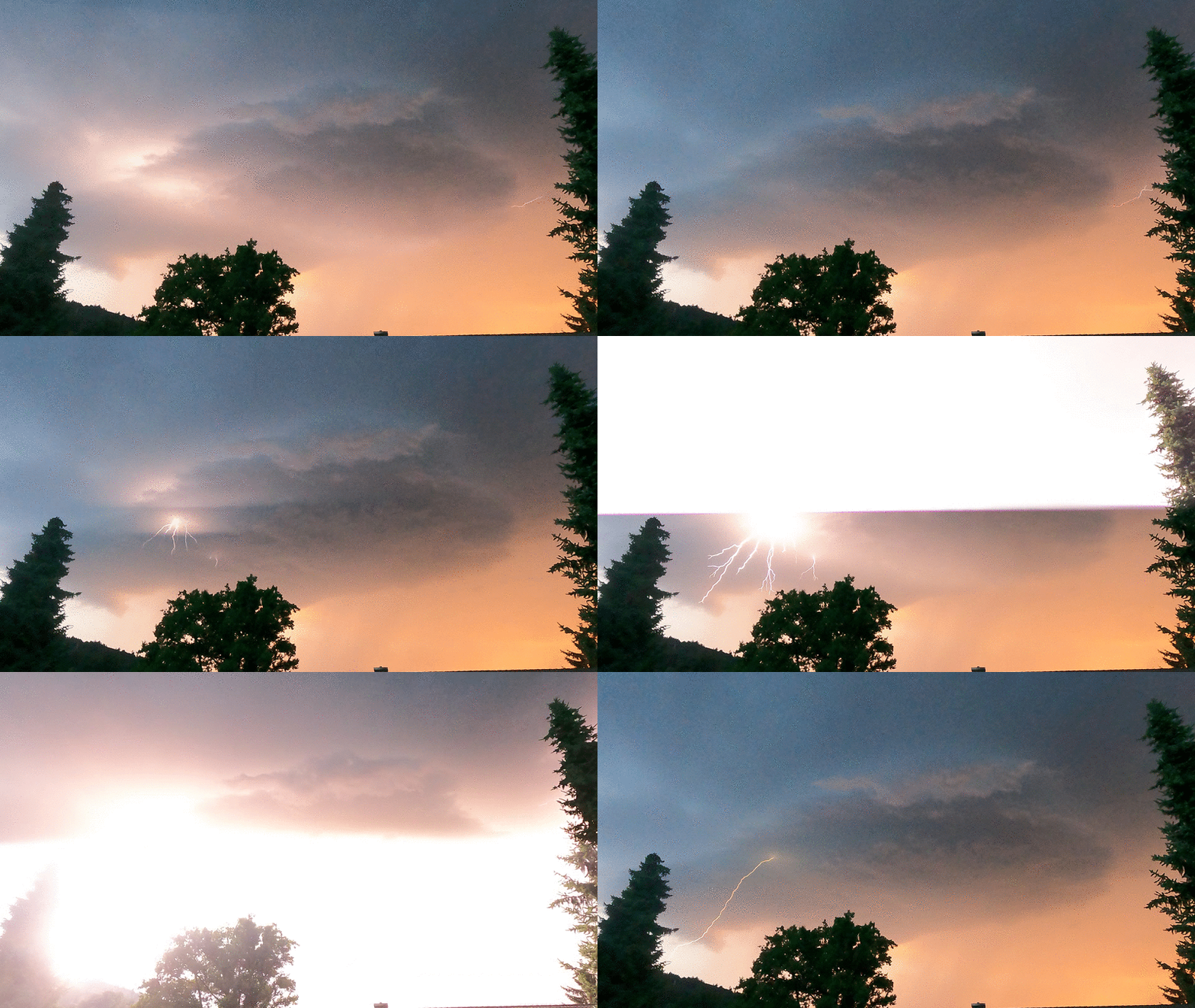
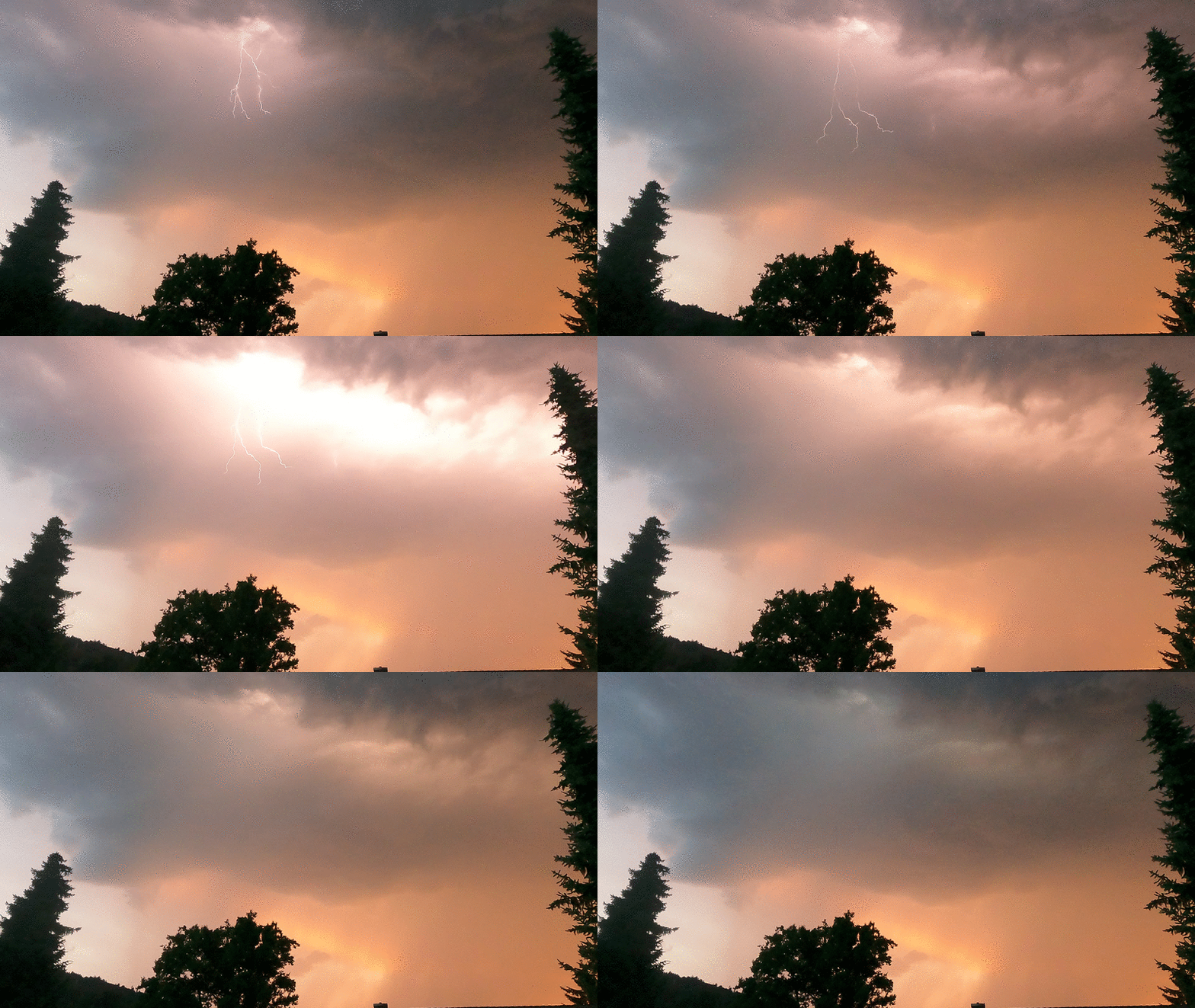
How I did it
- Point a camera at the storm. Long continuous video of the night sky, most frames near-black.
- Diff consecutive frames. OpenCV reads the video frame by frame and computes the brightness delta between each frame and the one before it.
- Threshold the spike. A bolt is a sudden, massive jump in total brightness. When the diff crosses a threshold, that frame is a strike. The threshold is the noise filter — crank it up to kill false positives from sensor grain, car headlights, etc.
- Log to CSV. Every frame's diff value is written out, so you can plot the signal and tune the threshold against real data.
- Cut the clips. Detected windows get sliced out into the short loops you see above.
python lightning-detection.py /path/to/storm.mp4 100000
#                              video          threshold (higher = stricter)
Why it works: lightning is the rare event where almost the entire frame brightens at once. A dumb sum-of-differences beats a neural net here — cheaper, faster, and nothing to train.